Belome - Keynote Template: A Visual System for Impactful Presentations
There's a specific kind of dread that sets in when you open a blank presentation file. The cursor blinks, the white space feels vast, and the pressure to create something that is both informative and visually compelling mounts. For many of us—designers, entrepreneurs, marketers, and creators—the solution isn't just finding a pretty slide; it's finding a cohesive system that does half the thinking for us. That’s where a robust template like the Belome - Keynote Template moves from being a nice-to-have to an essential tool in your creative arsenal.
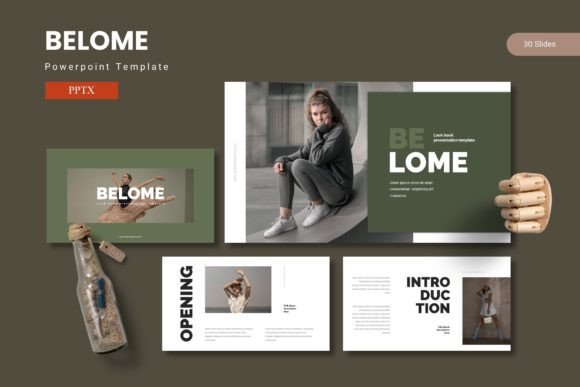
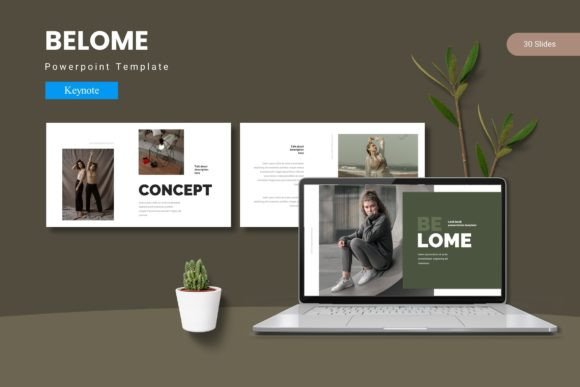
At its core, this is more than a collection of slides. It’s a foundational design language packaged for one of the most common presentation platforms. The value isn't merely in the 150+ slides or the five color variations, though those are significant. The real power lies in the pre-established visual harmony. Every layout, from section breaks to data-driven infographics, is built on the same design principles: clean lines, balanced composition, and a focus on clear communication. This consistency is your secret weapon. It means you can shift from a portfolio showcase to a quarterly report without your presentation looking like a disjointed scrapbook. The pixel-perfect illustrations and handcrafted infographics aren't just decorative; they're functional tools for explaining complex ideas simply, ensuring your audience grasps the point, not just the prettiness.
Beyond the Slide Deck: A Toolkit for Brand Cohesion
While its native habitat is Keynote, the mindset and assets within a template like Belome have applications that ripple across all your branding and marketing materials. Think of it as a master style guide in action. The color palettes aren't random; they're curated to work together, offering a starting point for your brand's primary and secondary colors. The typography choices within the template suggest pairings that balance readability with personality—perhaps a clean sans-serif for body text paired with a more distinctive serif or display font for headlines. This is a practical lesson in font pairing you can immediately apply to your website, social media graphics, or even packaging design.
Imagine you're a small business owner launching a new product line. You could use the Belome template to create a stunning investor pitch, ensuring every slide reinforces your brand's professional image. Then, take that same color scheme and the suggested font style to design your product's packaging, your Instagram story templates, and the key visuals for your website. Suddenly, you have a seamless visual thread connecting your pitch to your consumer-facing assets. This kind of visual consistency is what builds brand recognition. When your audience sees the same confident style across a keynote, a Facebook ad, and a product label, your brand identity becomes etched in their memory.
Practical Applications for the Modern Creator
The drag-and-drop picture placeholders and editable graphics are where theory meets practice. For a content creator or blogger, this means you can rapidly build visually rich presentations for webinars or course modules that feel custom-made. Swap out the placeholder images with your own high-quality photos, adjust the colors to match your blog's theme, and you have a professional-grade educational asset. For a marketing professional, the gallery and portfolio slides become dynamic tools for showcasing campaign results, client testimonials, or social media analytics. The process is no longer about fighting with layout; it's about focusing on your message.
Consider the entrepreneur pitching to potential partners or the designer presenting concepts to a client. The section break slides provide natural pauses for discussion, while the data visualization slides help make your argument with clarity and impact. The template handles the heavy lifting of design, freeing you to concentrate on storytelling and strategy. This is the essence of working smarter, not harder. You're not starting from zero; you're starting from a position of strength, with a design system that ensures your final output looks polished and intentional, which in turn builds trust with your audience.
Making the Template Your Own
The true test of any template is how well it adapts to your unique voice. The Belome - Keynote Template is designed for customization. The first step is to review the included font styles. While the template provides a suggestion, you're not locked in. Does your brand have a more playful, handwritten personality? You might swap the suggested sans-serif for a friendly script font for headlines, ensuring it remains legible at smaller sizes. Is your brand more authoritative and traditional? A classic serif font could replace the suggested display typeface for a more established feel. The key is to test these pairings. Look at them on a real slide, at the size you'll present. Does it read clearly from the back of a virtual room? Does it convey the right emotion?
Remember, commercial licensing is a critical consideration. The files included in the template package—typically noted in a "Readme First" document—will clarify the terms of use for the provided fonts and photos. If you plan to use the final presentation in a commercial context, like a paid webinar or a client deliverable, ensure any third-party assets are cleared for such use. Often, the template includes fonts with a commercial license, but it's your responsibility to verify this. This due diligence protects you and your work, allowing you to present with absolute confidence.
Ultimately, a tool like the Belome - Keynote Template is an accelerator. It provides the visual scaffolding—the modern typography, the structured layouts, the cohesive color story—upon which you build your narrative. It respects your time and elevates your output, allowing you to deliver presentations that don't just share information but make a lasting impression. In a world where attention is the ultimate currency, starting with a system designed for impact is one of the smartest investments you can make in your communication toolkit.